

An area rug does much more than cover the floor. It anchors furniture, defines spaces, and brings warmth, texture, and colour into a room. The right rug can make a room feel finished and cohesive, while the wrong size can make even the most beautiful space feel disconnected.
At Rainsford, helping clients choose the right rug is one of the most common design conversations we have. One of the biggest challenges is simply understanding which rug size works best in different rooms.
In this guide, we’ll walk through everything you need to know about choosing the right area rug — from sizing guidelines designers rely on to practical considerations for Canadian homes where rugs need to balance style with durability.
Design: @kiplinghouse
Why Rug Size Matters
The most common mistake people make when purchasing a rug is choosing one that is too small.
A rug should help anchor the furniture within a space, rather than sitting alone in the centre of the room. When a rug is too small, furniture appears disconnected and the room can feel visually fragmented.
As a general rule, designers recommend choosing the largest rug that comfortably fits your space.
A larger rug creates a more cohesive and elevated look, helping the room feel intentional and well designed.
Living Room Size Guide
Living rooms are where rug sizing makes the biggest visual impact. The goal is to connect seating pieces so the space feels unified. Here are our recommendations for living room rug sizes:
1. The Best Option: All Furniture on the Rug
In larger living rooms, the most luxurious look places all major furniture pieces fully on the rug. If the room is open concept, it is even more impactful to have all furniture sit completely on the rug.
Typical rug sizes:
-
9' x 12'
-
10' x 14'
This layout creates a beautifully anchored seating area and allows the rug to become a defining feature of the room.
Design: @katiedavisdesign
2. Most Common Option: Front Legs on the Rug
In many homes, placing the front legs of sofas and chairs on the rug works beautifully. Since rugs are a large investment this approach can be more affordable and accessible for many.
Typical rug sizes:
-
8' x 10'
-
9' x 12'
This arrangement keeps the seating area visually connected while allowing flexibility in rooms where a very large rug may not fit.
Design: @briahammelinteriors
3. Smaller Living Rooms
For smaller living spaces, a 6' x 9' rug can work well if it sits beneath the front legs of seating pieces.
Even in compact rooms, avoid rugs that float entirely in the middle of the space.
Design: @kiplinghouse
Dining Room Rug Size Guide
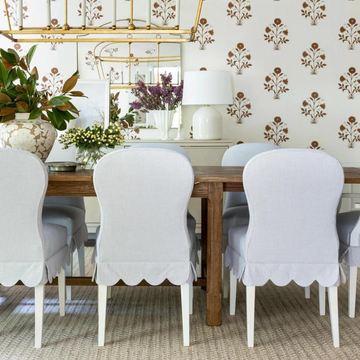
Dining room rugs serve both a functional and aesthetic purpose. They help define the dining area while protecting floors from chairs that move frequently.
The key rule for dining room rugs is simple:
The rug should extend at least 24 inches beyond the dining table on all sides. This allows chairs to remain on the rug even when pulled out from the table.
Typical combinations include:
| Dining Table Size | Recommended Rug Size |
| 4–6 person table | 8' x 10' |
| 6–8 person table | 9' x 12' |
| Larger dining table | 10' x 14' |
Flatweave or low-pile rugs often work best in dining rooms because chairs slide easily across them.
Design: @katiedavisdesign
Bedroom Rug Size Guide
In bedrooms, rugs add warmth and softness while creating a sense of comfort when stepping out of bed.
Large Bedrooms
For larger bedrooms, placing the bed and nightstands fully on the rug creates a beautiful, balanced look.
Typical rug size for a king size bed:
-
9' x 12'
This layout is often used in primary bedrooms to create a calm, luxurious atmosphere.
Two-Thirds Under the Bed
Another popular layout places the rug beneath the lower two-thirds of the bed.
The rug extends out from the sides and foot of the bed, providing softness where it’s most needed.
Typical rug size for a Queen/Full size bed:
-
8' x 10'
Smaller Bedrooms
In smaller bedrooms, runners placed on either side of the bed can create a similar feeling of comfort without overwhelming the space.
Design: @palomacontrerasdesign
Entryways and High-Traffic Spaces
Entryways and hallways require rugs that are both durable and practical. In Canadian homes, rugs often need to withstand snowy boots, wet umbrellas, and daily foot traffic.
Flatweave, washable and indoor-outdoor rugs are ideal for these areas because they are durable and easy to clean.
Runners work particularly well in hallways, while smaller accent rugs can help define entry spaces.
Rug Materials Explained
The material of a rug plays an important role in both appearance and durability.
Wool Rugs
Wool rugs are a favourite among designers because they are durable, naturally stain resistant, and feel soft underfoot.
They are an excellent choice for living rooms and bedrooms where comfort and longevity are important.
Cotton Flatweaves
Cotton rugs are lighter and often reversible. They work well in casual spaces such as kitchens, family rooms, and cottages.
Indoor-Outdoor Performance Rugs
Performance rugs made from materials such as polypropylene are extremely durable and ideal for high-traffic spaces. Washable rugs are also great for entryways and high traffic areas where sizing is smaller than a 5x7.
They are a great option for mudrooms, kitchens, and busy family areas.
Shop now - our Indoor Outdoor Rugs
Choosing the Right Colour and Pattern
Beyond size and material, colour and pattern play a key role in how a rug shapes the overall feel of a room.
Some helpful guidelines include:
• Neutral rugs create a calm, timeless foundation
• Patterned rugs help hide wear and everyday use
• Lighter colours brighten darker spaces
• Richer colours or patterns are often ideal for high-traffic rooms
Layering texture through rugs can also add depth and interest, particularly in rooms with neutral furniture.
Design: @kiplinghouse
Designer Tip: Why Dash & Albert Rugs Are a Favourite
At Rainsford Home, one brand we frequently recommend is Dash & Albert.
Known for their durable construction and beautiful colour palettes, Dash & Albert rugs combine thoughtful design with practical durability. Their collections include wool rugs, cotton flatweaves, washables and indoor-outdoor styles that are particularly well suited for busy homes.
Because they balance beauty with everyday functionality, they’ve become a favourite for family spaces and high-traffic areas.
We’ll explore Dash & Albert rugs in more detail in an upcoming guide.
Shop now - see our Dash & Albert Rug collection
Final Tips for Choosing the Right Rug
When selecting an area rug, keep these designer guidelines in mind:
• When in doubt, choose a larger rug rather than a smaller one
• Ensure rugs connect the furniture in a room
• Select durable materials for high-traffic spaces
• Consider how the rug will function in everyday life
A well-chosen rug brings warmth, structure, and personality to a space — helping a room feel complete.
If you’re unsure which rug size or style will work best in your home, our team at Rainsford is always happy to help guide you.
Interested in Good Design?
Want to make your mark in 2026? Contact us about design services big and small! For more more information click here.